| MUSEUM
Antique Rosaries |
HISTORY
of the Rosary |
for you index |
cord instructions |
LINKS |
EMAIL
US+
877.695.3561 |

*HISTORY INDEX*
(museum pieces not for sale) |
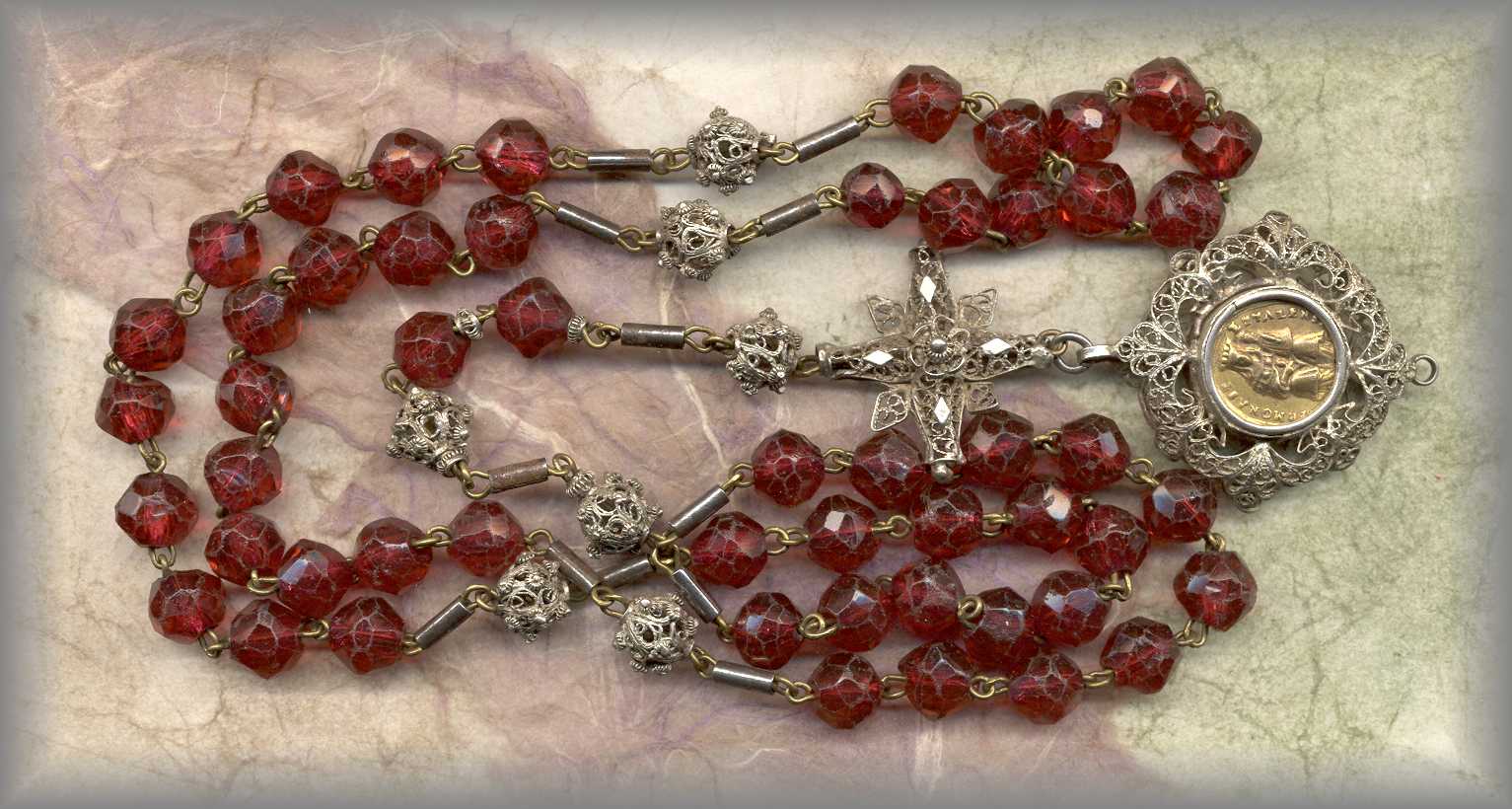
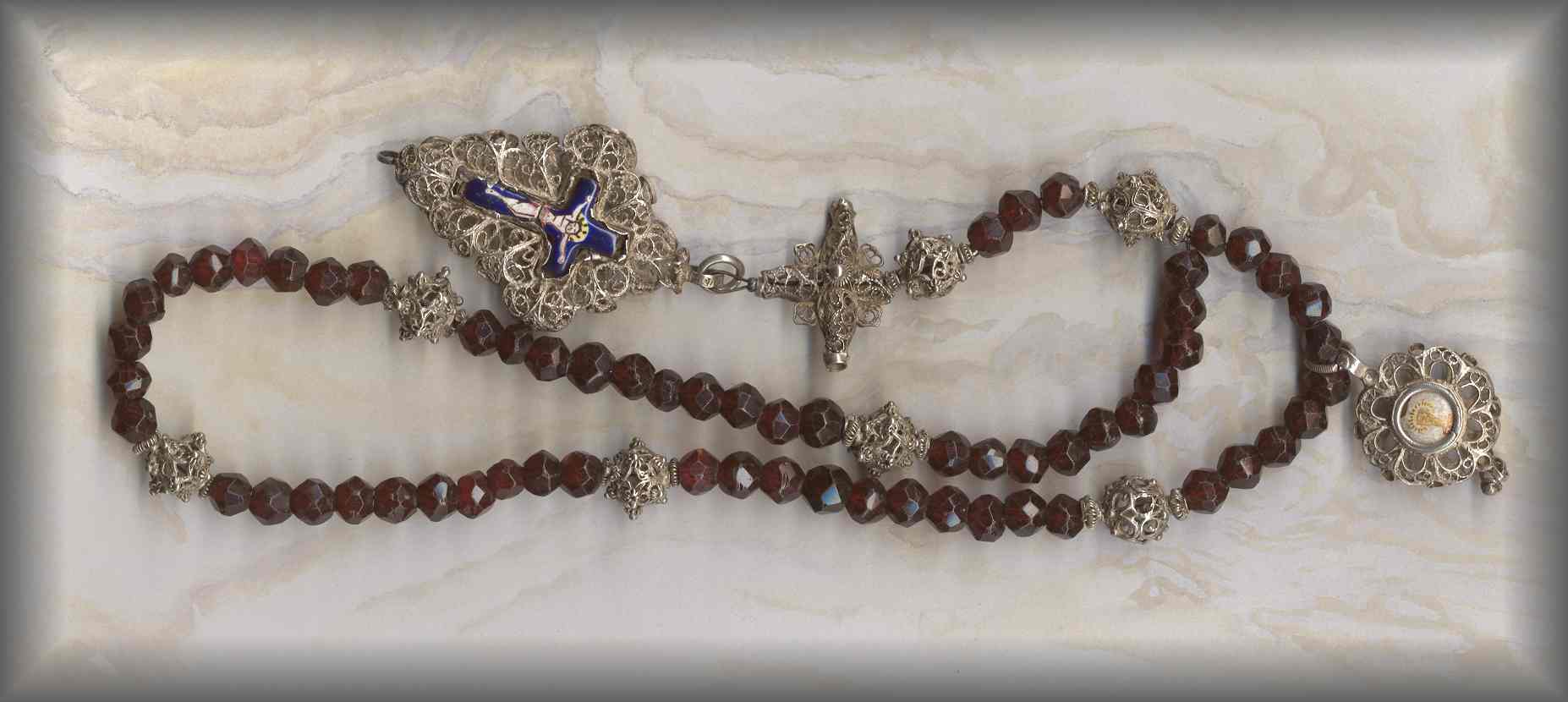
19th CENTURY FILIGREE |

|
or call 877 695 3561from 9 to 5 central - weekdays (closed on wednesdays) - beadsong@hotmail.com |
|
+ WHEN DID IT TAKE ITS SHAPE? *HISTORY: OF THE ROSARY* It may have grown from the true cross to crucifixes and then to rosaries themselves. Or did it grow from traditional Jewish prayer forms and the Old Testament? It is hard to know as most often these traditions, practices, customs and designs begin locally then travel like seeds in the wind ... for more informatioin,
and if you run
out of ideas just ask:
|
|
*JOURNALING the BEAD*
CHRONOLOGY OF THE ROSARY - 9 BC ON
HISTORY of the ROSARY |
|
*FREEDOM FIGHTERS*
Since the beginning of our nation 1775,until now - remembering all first responders and military, all who offer their lives daily for our safety and freedom today. |
|
Inspired by all who fought for our freedom today, beginning with ourPatriots, who organized those who would fight on the sea, land and in the airespecially those who spilled lifes blood, so we may live in peace. |
|
Inspired by all who fought for our freedom today, beginning with our Patriots, who organized those who would fight on the sea, land and in the air especially those who spilled life's blood, so we may live in peace. |
|
In thanksgiving and honor of our wounded and fallen yesterday and today, those who gave and are giving their lives for their families and country so that we may continue to be free. |
|
Thank you for our early first responders, firefighters and police, federal, state and local, and for their continuing service today, protecting our families and keeping us free. |
|
We have collected several sources for you to read. Some very hare to find on the internet ... we hope these are beneficial and if you have more sources, please snare. |
|
*WOMEN of GOD*
Starting with the Immaculate Conception. our ladty, full of grace, Mary, known under many names, has inspired many after her, known and unknown. |
|
Follow this interesting root of Mary, and how she comes to our shores from Spain and France in 1492 to fulfill the title of Patroness of North America and the pre born. |
|
"the dark Virgin, Guadalupe, patroness of West Central Spain" OR or Coatlaxopeuh, "She Who Has Dominion over Serpents" Coatlallope” “one who treads over snakes”. |
|
40 year old Columbus given permission by Queen Isabella to sail in 1491). Our Lady appeared 40 years later. 40 symbolizes: a time of waiting - preparation - a new chapter in salvation history. |
|
Enjoy our gathering of images of our Lady of Guadalupe, a collection from an exhibit at the Bowers Musem in California on loan from the basilica in Mexico City |
|
*3 AMERICAN WOMEN SAINTS*
Three women born in America, grew up to become Saints in the Catholic Church. Known for their service to the Lord: KATERI TEKAKWITHA (Lily of the Mohawks), ELIZABETH ANN SETON (New York) and KATHERINE DREXEL(Pennsylvania) |
|
(Lily of the Mohawks) (Birth: 1656 + Death: April 17, 1680) - Feast day: July 14 patroness of ecology and the environment, people in exile and Native Americans. + An Algonquin–Mohawk laywoman, born in the Mohawk village of Ossernenon, on the south side of the Mohawk River. contracted smallpox in an epidemic; and her face was scarred. (her family died) At 19) She became a Catholic and renamed Kateri, (baptized in honor of Saint Catherine of Siena). Refusing to marry, and to avoid persecution, moved to a Christian native community south of Montreal for her 5 remaiming years. + Canonized: 10/21/2012 by Pope Benedict XVI |
|
(New York) (Birth: August 28, 1774 + Death: January 4, 1821) - Feast Day: January 4 Patroness for the Sea Services due to her deep concern for her sons, William and Richard, who served in the U.S. Navy, + She established the first Catholic girls school in the nation in Emmitsburg, Maryland, where she also founded the first American congregation of religious sisters, the Sisters of Charity. (Sisters of Charity Federation in the Vincentian-Setonian Tradition) + Canonized: Sunday, September 14, 1975 in St. Peter’s Square by Pope Paul VI. (She was the first citizen born in the United States to be given the title of “Saint.) |
|
(Pennsylvania) (Birth: November 26, 1858 + Death: March 3, 1955) - Feast Day: March 3 Patronage Philanthropy, racial justice + In 1891, Drexel professed her first vows as a religious, dedicating herself to work among the American Indians and African-Americans in the western and southwestern United States. Mother Katharine, and, 13 other women, soon established a religious congregation, the Sisters of the Blessed Sacrament. + Canonized: October 1, 2000 by Pope John Paul II. |
|
*MORE WOMEN of GOD* |
|
She was born Maria Coronel y Arana *April 2, 1602, in Agreda, Spain and died in 1665. In her remarkable time on earth, she accomplished more than most would in several lifetimes. She is probably best known for her book THE MYSTICAL CITY OF GOD. |
|
Who was 18 year old Sor Maria de Agreda? She was a 17th century Spanish mystic cloistered Franciscan Conceptionist nun who never left her convent, yet spoke of teaching 'natives' about Jesus in a far distant country,over 500 times. How could this be? |
|
born Maria Coronel y Arana *April 2, 1602, in Agreda, Spain, died in 1665. she accomplished more than most would in several lifetimes. best known for her book THE MYSTICAL CITY OF GOD |
|
' Doctor of the church (1098 – 1179) also known as: SIBYL of the RHINE' And again I heard a voice from Heaven saying to me, 'Cry out therefore, and write thus!' |
|
OF MEN AND WOMEN CALLED BY THE CHUECH TO BECOME SAINTS the 4 steps of womena and men becoming a saint in the family of the Catholic church |
|
*YOUR BIRTHSTONE*
He numbers the stars, and gives to all of them their names. Giving back to God what is his? The story of salvation, the comiming of the messiah, is written in the stars by God himself who formed and named each star --- ISAIAH 40:2626 |
|
--- read on! found out why the ancient Jewish New year begins with September (Virgo) and not January. This wonderful study is called 'Astronomy |
|
BORN OF A VIRGIN - PROMISE FULFILLED (Seed of the woman, Messiah, Christ, the story) SEPTEMBER (Virgo) - OCTOBER (Libra) NOVEMBER (Scorpio) - DECEMBER (Sagittarus) |
|
HIS PEOPLE, The Sacrifice SALVATION (The blessings of his people, the redeemed) JANUARY - (Capricorn) - FEBRUARY - (Aquarius) MARCH - (Pices) - APRIL - (Aries) |
|
THE BATTLE - Good / Evil between good and evil – life over death MAY ( - Taurus) - JUNE - (Gemini) JULY - (Cancer) - AUGUST - (Leo) |
|
For most of our life we have marveled over the silent heavens above. On a clear night it can appear like a warm assuring blanket, even in the cold. We hear how each star is a tiny 'crack in the heavenly floor'. |
|
He who made the mountains, oceans and fertile land, He who arranged the stars, numbered the stars and calls each star by name, has done so for a reason. He delights in each ---- |
|
MAZZAROTH: (Hebrew for Zodiac - see Job 38:31-33) ZODIAC: (Greek: 'The Way' - The 'circle or band of 12 constellations' or 'crown of stars' created and named by God according to Genesis 1:14-16). And in no way supports a Horoscope. + 22 False messiahs and false prophets will arise and will perform signs and wonders in order to mislead, if that were possible, the elect. 23 Be watchful! I have told it all to you beforehand. MARK 13: 22 |
|
... 2. the sky proclaims its builder's craft. 3. One day to the next conveys that message; one night to the next imparts that knowledge. 4. There is no word or sound; no voice is heard; 5. Yet their report goes forth through all the earth, their message, to the ends of the world. God has pitched there a tent for the sun; 6. it comes forth like a bridegroom from his chamber, and like an athlete joyfully runs its course PSALMS 19:2-6 ….. |
|
*NATURAL DISASTERS*
the earth and sky offer times of fear and concern for all below. From massive Hurricanes to tornados above to Earthquakes below, we are led to prayer for safety over the centuries. |
|
Present and past history of the need for prayer when disaster strikes. horrific fires on the west coast, earthquakes in Alaska , flooding hurricanes along east coast, loss of life and homes. |
|
Overview of series dedicated to prayer. In our nation we all suffer from weataher, from snow storms to hurricanes and eathquakes - we all pray for those who suffer. |
|
(FORRESTFIRES+) Forest fires, forgotten campfires, lightning storm fires, fire caused by meteorites falling on dry forest land ... unexpected damage caused to peoples lives. |
|
(TORNADOS+) We learn in this four part series, how Mary intercedes for our safety when disaster strikes including ancient calling of "Our Lady of the Immaculate Conception" |
|
(EARTHQUAKES+) The earth is always on the move, like a living organism. Something is happening somewhere in its core or on tis surface, volcanos, earthquakes - when the earth trembles - in the year 1693. |
|
(HURICANES+) In this four part series on Natural Disasters, we see how Mary intercedes and answers under many names but it's always Mary --- |
|
SAINT MICHAEL |
|
*ANTIQUE ROSARIES*
A COLLECTION OF ROSARIES DATING BACK TO THE 1700s
MUSEUM of ANTIQUE ROSARIES |
|
*MORE HISTORY* |
|
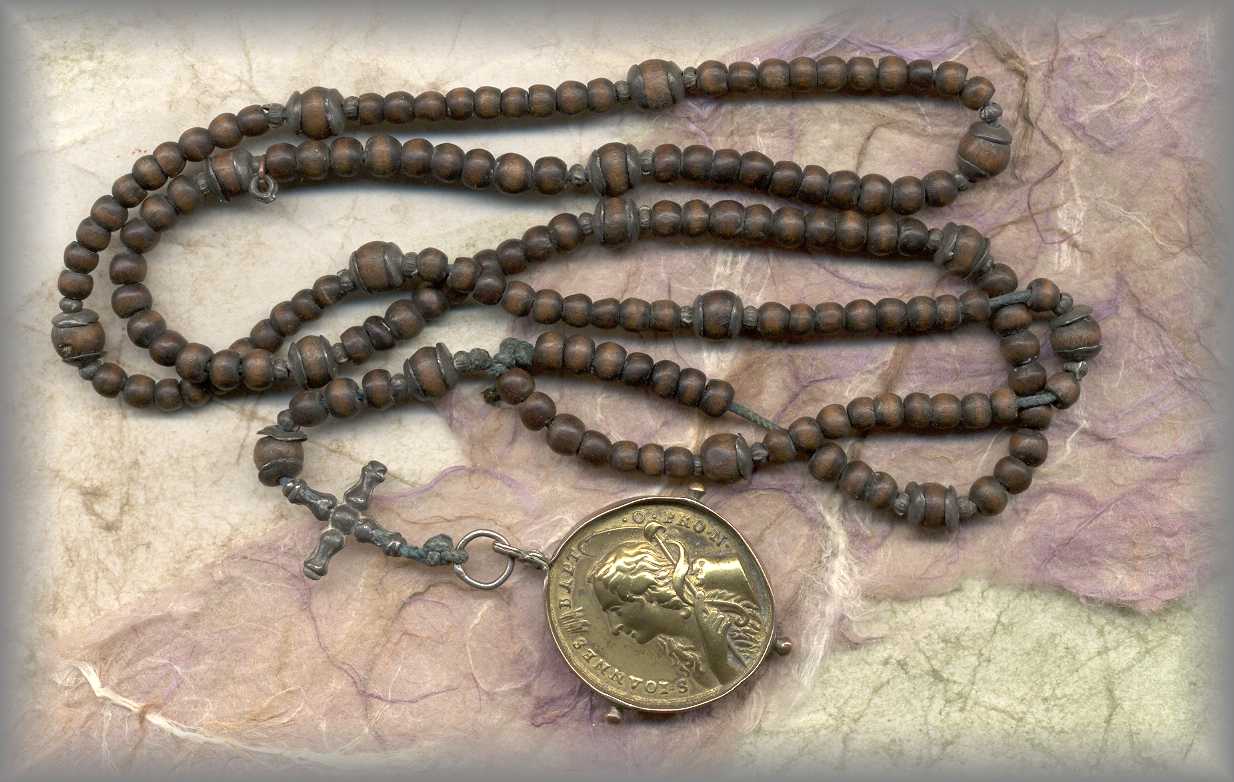
On the 150th anniversary of his death, Pope Benedict declared the Year of the Priest, to honor St. John Vianney, naming him as the Universal Patron of Priests. Beloved by all. |
|
Where do they come from - are they really from the bible? And if so, where? |
|
Is it a Catholic thing? Are Protestants allowed to pray the rosary? - The rosary tells the life of Christ one bead at a time fron conception to ascension into heaven ... and yes protestants pray the rosary too> |
|
|
Freedom is never more than one generation away from extinction. We didn't pass it to our children in the bloodstream. Freedom is never more than one generation away from extinction. We didn't pass it to our children in the bloodstream. |
|
FREEDOM IS NOT FREE: We are called to pass this precious gift on to our children and then on to their children. We owe it to future generations. |
|
"It is easier to become a rosary from the 17th century than to find ... |
|
"The first one I ever saw was in Rothenberg - I was captured by its beauty ... |
|
dont miss these wonderful examples of old chaplets from the past |
|
from heaven to earth - who are they and what do they do?s |
|
.The Jesuit priests who came to teach the indigenous about the true God, found that bringing beads to trade, attracted them as well. Many used these beads to string into rosaries. |
|
What is a PICASSO bead? What is a pressed GABLONZ beads |
|
Far to the Northwest of our country, our journey of discovery began ... |
|
an in-depth article by Alexander Roman on Prayer Beads including a response from Seminarian Nicholas Vester, an Orthodox Theologian and a Byzantine Historian |
|
Have you evern been to a tenebrae during Easter Tridum? |
|
Are these ancient liturgies returning? How does it relate to Tenebrae? |
|
What does it have to do with candles? Is it considered something holy? |
|
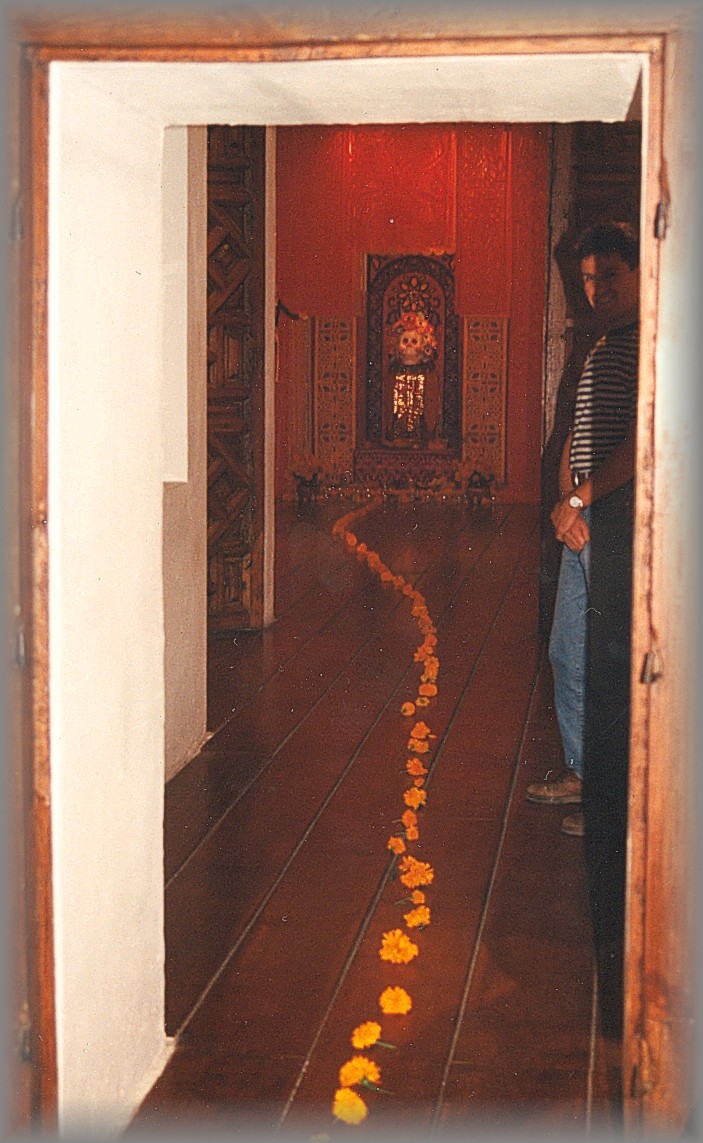
Dont miss the Histoy of our - "ALL HALLOWS EVE" - (Hallowen) |
|
~ BEADSONG ~
A STORY ABOUT A 6 YEAR OLD AND THE ROSARY
+ + WITNESS + |
|
*WE FLY to YOUR PATRONAGE* |
|
PRAYER TO OUR LADY - (235 AD) (Shared by Fr Joseph, from his Grandmother) +
Found in a book of prayers to Mary, published in 1921, 'The Key of Heaven' quoting from a fledgling church still in the throes of Roman persecution and dated 235 AD. (Another original copy of this prayer was found in 1917 written on Egyptian papyrus. This prayer again spread from Egypt where Joseph and Mary had fled with Jesus to Europe and other parts of the Christian World.) Believed to be earliest written prayer to Mary. |
|
*"KNOCK on WOOD"* |
|
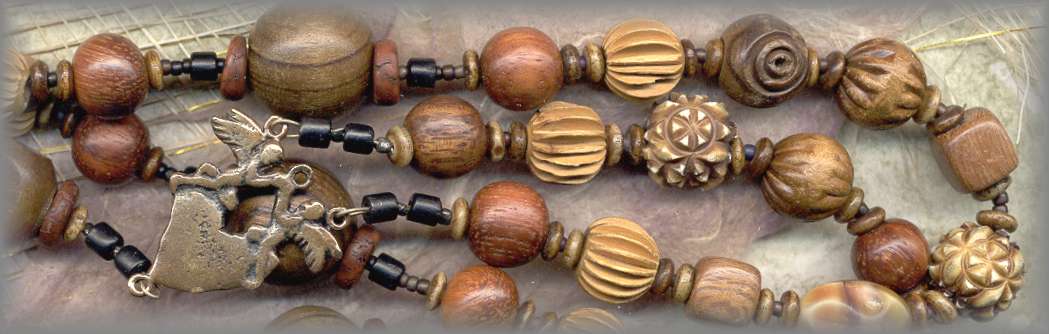
Often we use the phrase, "Knock on wood" - and proceed to do just that: Knock on a table or a door or whatever wood is handy. In some circles it is believed that the origin of the phrase and practice comes from the wood of the rosary. Rosaries in the old days were made of oak wood and were fingered in time of distress or trouble. Thus, holding on to, touching or rubbing the wooden rosary or its wooden crucifix when danger was near became a common way for Christians to deal with hardships and difficulties. The practice slipped into common use as "Knock on wood." From "A World of Stories" by William Bausch - Shared by Father Ray H. (MI) |
|
When Saint Helen, mother of Emperor Constantine the Great, visiting the Holy Land and seeking the True Cross upon which Jesus was crucified, found the Precious and Life-Giving Cross, the Cross was venerated by all the faithful in many public processions. + Many faithful would come to touch the Holy Cross for blesssing and healing. It was customary to touch the Wood of Life three times (as a confession of faith in the Holy Trinity). This act of touching the True Cross became the earliest recorded histories of "knocking on wood." + Whenever the Holy Cross was put forth for public veneration, touching it, or as English translations render it "knocking," became common liturgical practice. Once the Holy Cross was transferred to Constantinople and placed in the Great Church of the Holy Wisdom (aka Saint Sophia), Christians continued this piety by touching or knocking on any cross or crucifix (wood was the medium of the day) for blessings and healings. + This ancient tradition has been with us for over 1,600 years and has been a pious tradition to this day where people tend to touch anything made of wood ... but all interpretations of this behavior point back directly to Jerusalem in the 4th century AD and the True Cross. No doubt, wooden prayer beads may have become a customary item for similar veneration, but historically much later. Prof Anastasios
Zavales Phd ThD
|
|
*"OTHERS SAY"* |
|
"Heresy is from the Greek word meaning 'choice'.... But we are not permitted to believe whatever we choose, nor to choose whatever someone else has believed. We have the Apostles of God as authorities, who did not...choose what they would believe but faithfully transmitted the teachings of Christ. So, even if an angel from heaven should preach otherwise, he shall be called anathema." Saint Isidore of Seville - (c.560 - 636) - Patron of Internet Users
... EVA - AVE ...
... your website
did the trick! ...
... thank you so
much! ...
... loved the history
lesson ...
|
|
MISSION STATEMENT Our vision is to provide the finest handmade rosaries, chaplets and other fine religious art forms for personal worship we can make using the finest supplies available. The Guild believes the work of our hands should give visual Glory to God, therefore for us, the best for you is very, very important. +++ QUESTIONS? copy and paste beadsong@hotmail.com OR CALL WEEKDAYS - 9 to 5central 877.695.3561
MUSEUM
- HISTORY
- PRAYER
OFFICE
HOURS
|
|
secure-online - credit card -[or]- mail in - mo/personal check |
|
(HALLOWE'EN)
|
|
ANCIENTCELTIC BEGINNINGS |